Smart homes are rapidly changing the way we live by making our everyday tasks easier and more efficient. With the advent of AI devices, homeowners can enjoy a level of convenience that was once thought to be the stuff of science fiction. Imagine waking up in the morning and having your coffee brewed, your lights gradually brightening, and your thermostat adjusting to the perfect temperature—all without lifting a finger!
One of the key features of smart homes is the integration of various AI devices that communicate with each other. For instance, smart speakers can act as the central hub, allowing users to control everything from lighting and security systems to kitchen appliances using simple voice commands. This seamless connectivity not only saves time but also adds an element of comfort to daily routines.
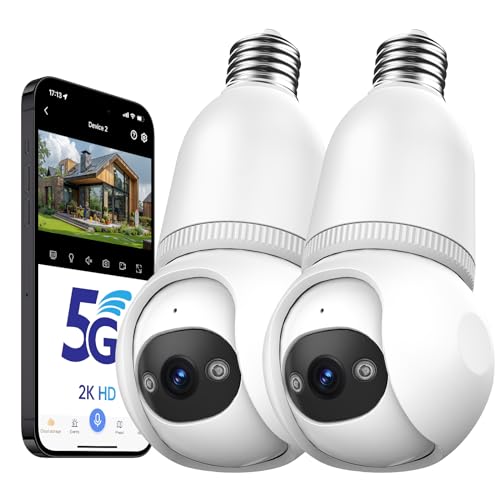
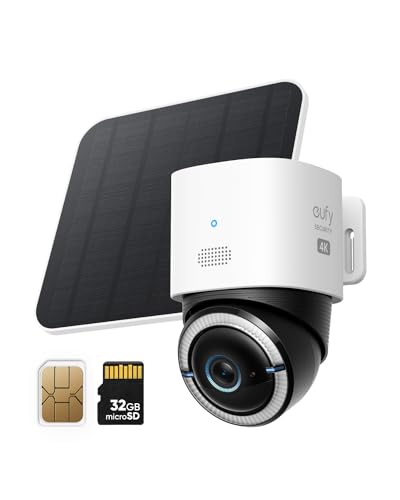
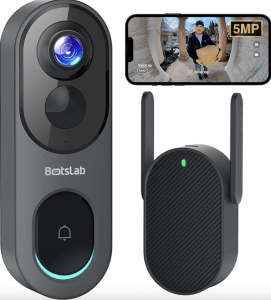
Safety is another significant advantage of implementing AI devices in homes. With smart security cameras and smart locks, homeowners can monitor their property in real-time, receive alerts about unusual activity, and even unlock doors for guests while away. These AI-powered security solutions provide peace of mind, knowing that your home is protected at all times.
Furthermore, smart homes can significantly enhance energy efficiency. AI devices like smart thermostats learn your habits and optimize heating and cooling accordingly, which can lead to lower energy bills. By making small adjustments based on real-time data, these innovative devices contribute to a more sustainable way of living, benefiting both the homeowner and the environment.
Wearable Tech Enhancing Daily Activities
Wearable tech has become an integral part of our daily lives, seamlessly blending function with fashion. From smartwatches to fitness trackers, these devices often act as our personal assistants, providing valuable insights into our health and well-being. With the rise of AI devices, users experience enhanced features that adapt to their needs, making everyday activities more efficient and enjoyable.
Imagine starting your day with a gentle vibration from your smartwatch, reminding you to get up and move. AI devices are equipped with algorithms that analyze your sleep patterns to optimize your waking time. As you brew your morning coffee, your fitness tracker may suggest personalized workouts based on your activity levels from the previous day, helping you stay motivated and accountable.
Throughout the day, wearable tech continues to assist with productivity. For instance, smart glasses equipped with AI devices can provide you with real-time notifications and navigation directions right before your eyes. This allows you to stay focused on the task at hand without the need to check your phone constantly. Moreover, these AI-driven features can be especially helpful for busy professionals or anyone juggling multiple responsibilities.
Wearable tech is also revolutionizing how we keep track of our health. Many devices now include advanced monitoring capabilities, such as heart rate tracking, stress level analysis, and even blood oxygen saturation tests. With the integration of AI devices, this data is not only collected but also analyzed to provide recommendations tailored to your lifestyle. Whether you’re trying to manage stress or improve your fitness level, these insights make it easier to meet your goals.
AI Assistants Simplifying Routine Tasks
AI devices have transformed the way we approach our daily routines. From smart speakers to virtual assistants, these advanced technologies help us manage various tasks effortlessly. Imagine asking your AI assistant to set reminders, play your favorite music, or even control your smart home devices—all with just your voice. This ease of use has made AI devices a valuable companion in our everyday lives.
One of the most noticeable benefits of AI assistants is their ability to simplify scheduling. With just a simple command, you can add appointments to your calendar, check your schedule, and even receive notifications for upcoming events. No more juggling note pads or remembering every task; AI devices keep everything organized and at your fingertips.
Another way AI assistants streamline our routines is through meal planning and cooking assistance. Many AI devices can suggest recipes based on the ingredients you have at home. You can also ask them for step-by-step cooking instructions or even set timers for your dishes. This not only saves time but also encourages creativity in meal preparation, making cooking a more enjoyable experience.
Furthermore, AI devices help us stay connected with our loved ones. You can use your AI assistant to make calls, send messages, or even video chat with friends and family. This level of connectivity ensures that no matter how busy life gets, staying in touch remains effortless and convenient.
Intelligent Gadgets for Better Communication
In our fast-paced world, communication is more important than ever. AI devices are paving the way for smarter and more effective ways to connect with others. From virtual assistants to smart home technology, these gadgets streamline our interactions and help us stay in touch with loved ones and colleagues alike.
One of the standout AI devices revolutionizing communication is the smart speaker. With voice recognition capabilities, these gadgets can respond to your queries, play music, and even make phone calls without lifting a finger. Imagine asking your smart speaker to call a friend while you’re cooking dinner—it's that easy! These devices not only reduce the time spent on mundane tasks but also make communication more accessible for everyone.
Another example is AI-driven chatbots. Businesses are increasingly using these intelligent programs to enhance customer service. A chatbot can answer questions, take orders, or provide support 24/7—making it easier for companies to maintain communication with their customers. With their ability to learn from interactions, these AI devices improve over time, ensuring a more effective communication experience with every conversation.
Video conferencing tools also benefit from AI technology, offering features like real-time translation, background noise cancellation, and facial recognition. This allows teams from different corners of the world to collaborate seamlessly. Whether you’re working from home or across continents, AI devices help bridge the gap, making virtual visits feel personal and productive.